|
|
AARDVARK Report – September 2026
|
|
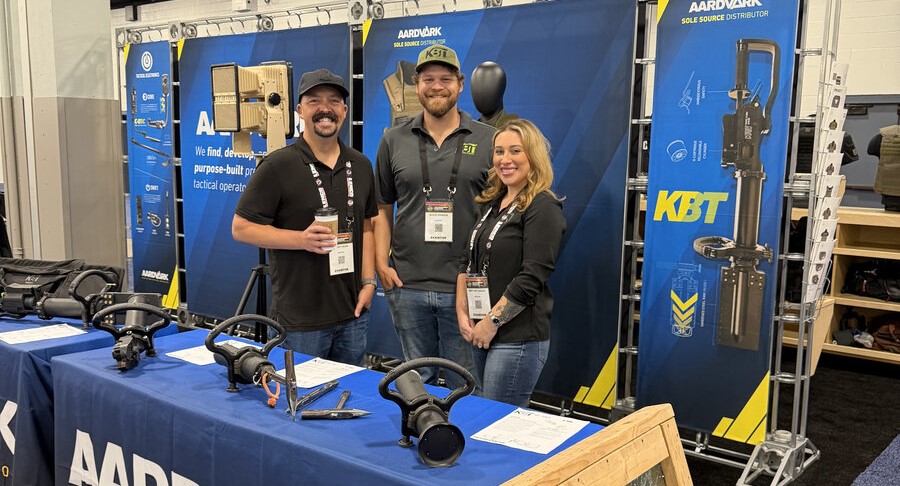
THIS MONTH: FRESH OFF THE FLOOR AT NTOA
We're back from the National Tactical Officers Association conference in Nashville, and it was a great time.
Getting face time with the operators and end users who actually carry this gear into the field is always the best part of the show. We heard directly what's working, what teams want to see next, and had the chance to put new equipment in front of the people who will use it. Thank you to everyone who stopped by the booth, talked shop and shared their experience with us.
We're already looking forward to the next one.
|
One Tool, Two New Capabilities
Introducing the KBT RIP and PUNCH Heads
|
|
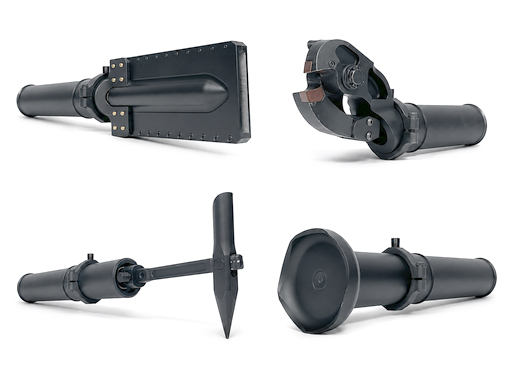
The KBT Kinetic Breaching Tool already gives teams powered impact and cutting capability on a single backend. Now, two new interchangeable heads expand what that same platform can do.
RIP and PUNCH join the existing RAM and CHOP heads, and all four run on the same KBT backend. Teams that already own the platform can add the new heads directly, no new firing unit required, while teams building a system from scratch can select the head that best fits their mission on day one.
|
PUNCH – Powered Porting – 850 ft/lbs of impact force through a 4" combined shatter-and-cut face, built to defeat safety glass, hurricane-rated glass, vehicle windows and drywall.
RIP – Powered Anchor Deployment – Anchors on the far side of the target material, creating an attachment point rated to a 10,000 lb. tensioned safe working load for pulling operations.
Field-Ready Platform – An 8-shot cylindrical magazine and sub-one-second reset on impact heads keep the system ready for consecutive operations.
|
Why it matters: Four mission-specific heads on one backend means less gear to carry, fewer systems to train on, and more ways to solve the problem in front of you.
|
How To: Swap Between KBT Heads
One of the biggest advantages of the KBT platform is that switching missions doesn't mean switching tools. Going from RAM to CHOP, PUNCH or RIP is a field-level swap, not a rebuild.
Every KBT head ships with an included quick disconnect band, so changing heads is as simple as releasing the band, pulling the current head off the backend, and locking the next one into place. No tools, no armorer, no separate firing unit for each mission.
One backend, four heads, and a swap that takes seconds.
|
One Platform, Every Assignment
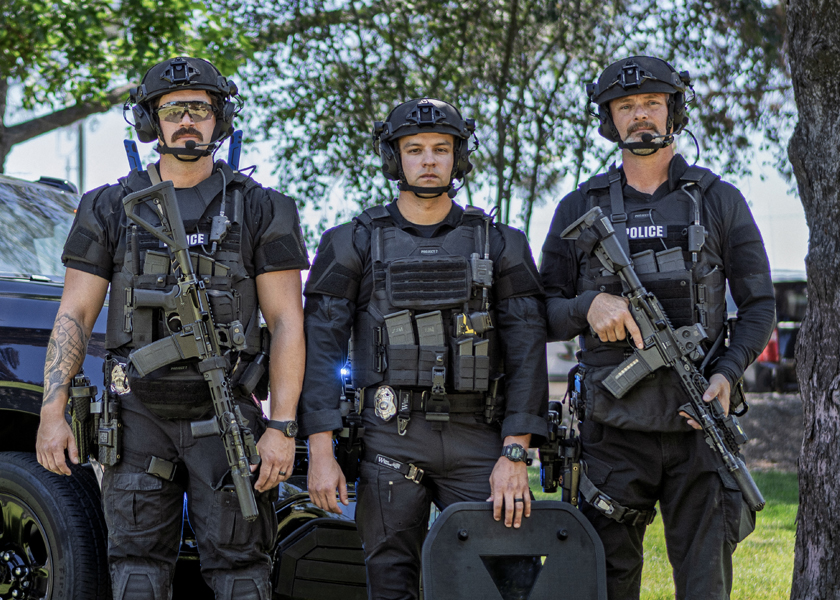
Introducing the PROJECT 7 ICON Multi-Mission Vest
|
|
Operators whose roles shift from one assignment to the next have traditionally needed separate platforms for concealable wear, patrol, and tactical entry. The PROJECT 7 ICON Multi-Mission Vest is built to replace that whole lineup with one.
ICON wears streamlined for daily duty, drops into an internal carrier for concealed or Class A wear, or scales up with rifle plates and accessory ballistics for a full tactical entry loadout, all on the same platform and available in 288 size combinations for a precise, operator-specific fit.
|
P7 STIK™ Rifle Retention – A removable, rigid Kydex system that stabilizes the rifle against the platform securely.
Adjustable Shoulder System – Accommodates clothing layers, seasonal gear and changes in fit, paired with FirstSpear Tubes® closures for rapid donning and doffing.
Built-In Flexibility – Bottom-loading SAPI-sized plate pockets, internal radio routing channels, and compatibility with Fixed, FLEX, or FLEXAROO loadout systems.
|
Why it matters: One vest that scales from concealed to full tactical entry means fewer platforms to buy, stock and train on.
|
The Hidden Equipment Problems Officers Don't Discover Until It's Too Late
By Keith Hanson, Officer.com
Stress, injury and movement can expose hidden equipment conflicts that aren't apparent on the range. Learn how those issues can affect officer performance during critical incidents.
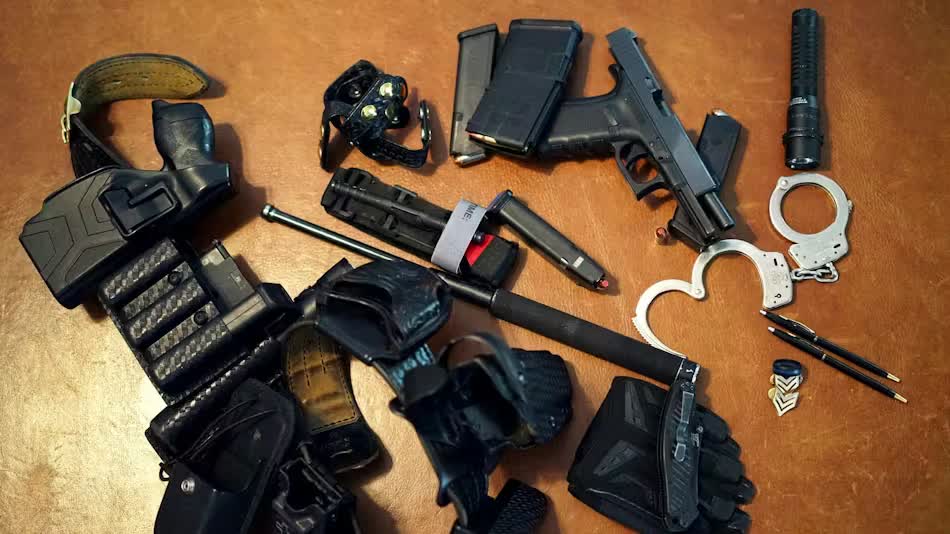
There is a simple assumption buried inside much of law enforcement equipment selection and training: If an officer can reach a piece of equipment during training, the equipment is accessible. I am increasingly convinced that this assumption is incomplete. Accessibility is not merely a question of whether an officer can place a hand on a pistol, TASER, magazine, handcuff case, baton or tourniquet while standing comfortably on a range.
The more important question is whether the officer can reliably access and operate that equipment when posture changes, movement becomes violent, attention is divided, physiological arousal rises and several pieces of equipment suddenly begin competing for the same physical space.
Source: Officer.com
|
Spotlight On: Leadership
Culture First Implementation System
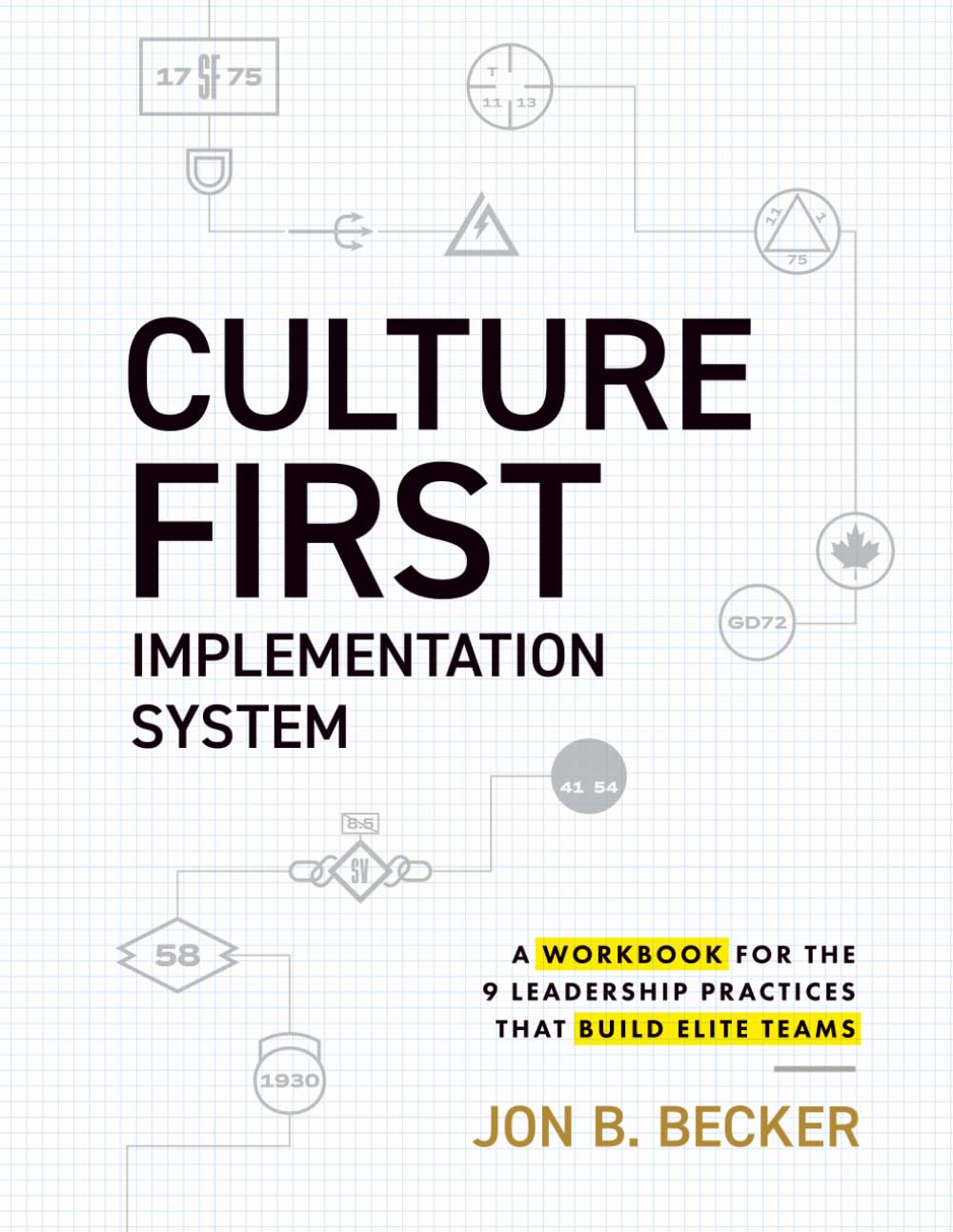
This implementation guide comes on the heels of the success of Culture First: 9 Leadership Practices That Build Elite Teams, Jon B. Becker's book distilling a career spent embedded with elite tactical and law enforcement units into a practical leadership framework. Now, teams can use this workbook to check their progress and help put the practices taught in the book into action.
Nine Practices, Applied – Structured exercises that walk leaders through implementing each of the nine practices, step by step.
Built-In Checkpoints – Tools to assess where a team currently stands on each practice and track progress as it's put into place.
Built for Leaders – For anyone who wants to stop managing performance and start building the kind of team that performs.
|
Visit Us at an Upcoming Trade Show
IACP Annual Conference & Exposition
October 25-27, 2026
Orlando, FL
We will be in booth #683 (West Building). Come see us!
|
READY TO EXPAND YOUR GEAR CAPABILITY?
From breaching tools to armor platforms and everything in between, AARDVARK carries the product lines tactical teams rely on. Whatever your agency is looking to add or upgrade, we can help you find the right fit for your team's operational requirements.
—The AARDVARK Team
|
|